
Heat Pump Myths

Admin • October 9, 2026

Share this article

We get it — heat pumps have been around for decades, but the technology (and the misinformation about it) hasn't stood still. Let's clear up the three we hear the most.

Myth #1: “Heat pumps are just glorified electric heaters.”

Reality: Technically, both run on electricity — that's where the similarity ends. Electric resistance heat (baseboards, electric furnaces) converts electricity directly into heat at a 1:1 ratio. In efficiency terms, that's a coefficient of performance (COP) of 1.0, or 100% efficient, full stop. A heat pump doesn't make heat that way. It moves existing heat from the outdoor air into your home using a refrigerant cycle, which is why a heat pump can deliver a COP of 2 to 4+ depending on outdoor temperature — in plain English, 200–400%+ efficient. Same fuel source as a baseboard heater, wildly different technology.

Myth #2: “Heat pumps constantly need their refrigerant refilled, like an old car AC.”

Reality: A heat pump is a sealed, closed-loop refrigerant system. Under normal operation, refrigerant circulates continuously and isn't consumed or “used up” the way fuel is. If a system is ever low on refrigerant, that's a sign of a leak that needs to be found and repaired — not routine maintenance. A properly installed, well-maintained heat pump shouldn't need refrigerant added at all over the course of its service life.

Myth #3: “Heat pumps cost more to run than oil or propane.”

Reality: In most Hudson Valley homes, it's actually the opposite. Based on current NY fuel and electric pricing, a properly sized heat pump runs at roughly half the daily cost of an oil or propane system — see the full breakdown in our Oil vs. Heat Pump comparison.

Got a heat pump myth we didn't cover? Ask us — call (845) 327-0017 or request a free estimate.

Recent Posts

Wall-mounted ductless mini split cooling a living room
October 26, 2026
Find the right local mini split installer in Liberty, NY. Mr. Mini Split helps Catskills homeowners ask the right questions on licensing, permits, brands, and warranties.
Wall-mounted white ductless mini split air conditioner in a bright room with windows
October 26, 2026
Discover the 2026 NY heat pump rebates Liberty, NY homeowners can claim. Mr. Mini Split, a trusted mini split installation company, offers free estimates.
Hand connecting a propane tank regulator to a white gas cylinder outdoors
By Admin • October 9, 2026
Comparing propane heating costs to a ductless heat pump for Hudson Valley homes — real numbers, no sales pitch.
Outdoor air conditioner unit beside a sunlit garden and stone path
By Admin • October 9, 2026
Oil or heat pump? We compare cost, efficiency, and hassle for Hudson Valley homeowners — with the real numbers behind it.

Person working at a desk with calculator, laptop, open notebook, and sticky notes
By Admin • October 9, 2026
Oil heat wastes more money than most homeowners realize. See exactly where it's going, and what a heat pump could save you in Sullivan, Orange & Ulster County.
September 29, 2026
A plain-English look at NY heat pump rebates and incentives for Sullivan, Orange & Ulster County homeowners, from Mr. Mini Split.
September 29, 2026
Worried a heat pump won't keep up in a Catskills winter? Mr. Mini Split explains how cold-climate heat pumps perform in Sullivan, Orange & Ulster County.

September 29, 2026
Confused about heat pumps vs. mini splits? Mr. Mini Split explains the difference (there isn't much) and what Hudson Valley homeowners should know before buying.
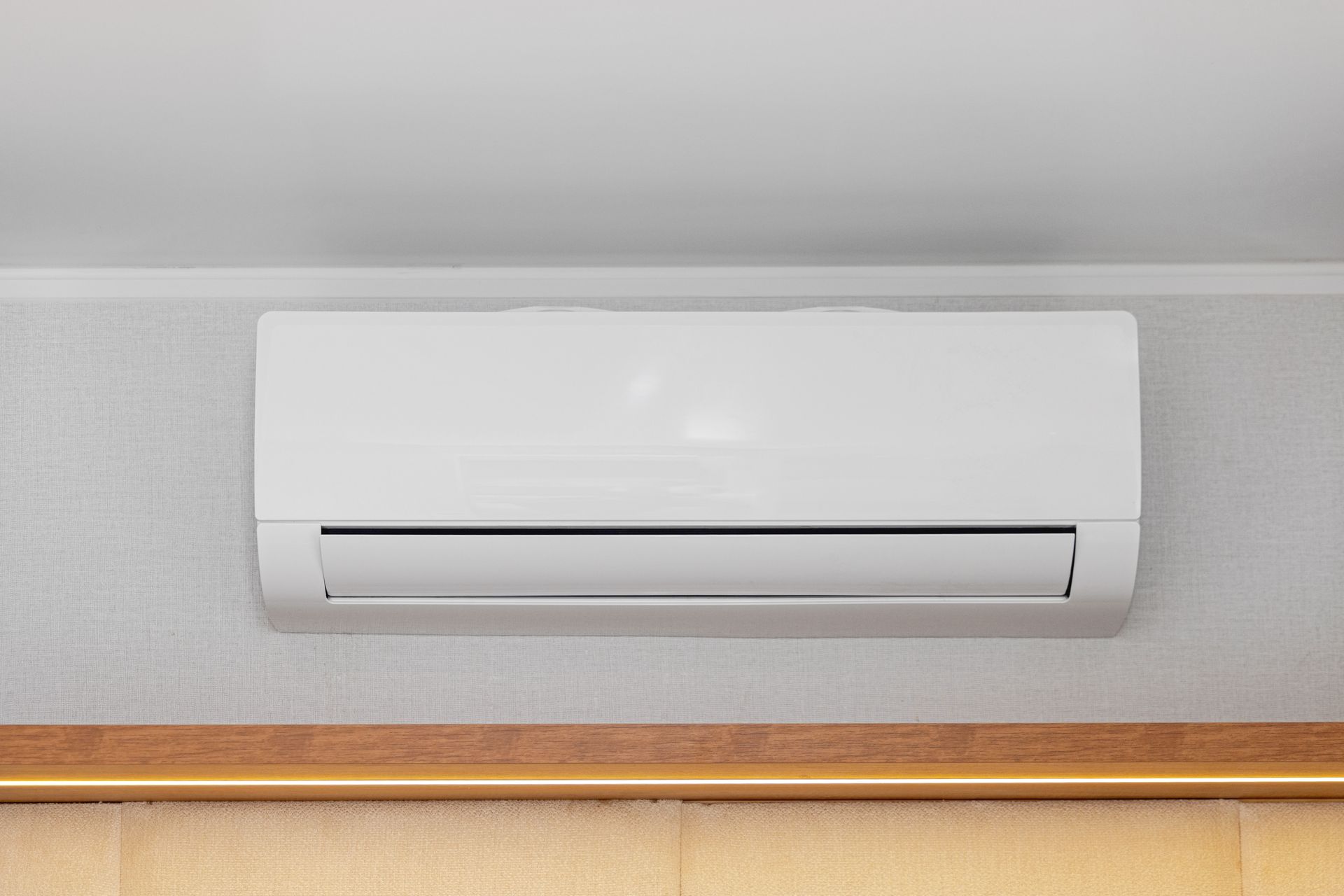
Mini split unit
September 23, 2026
Can a mini split handle Liberty, NY winters? Mr Minisplit covers cold-climate performance, oil vs. heat pump savings, and NYS rebates. Get a free estimate.
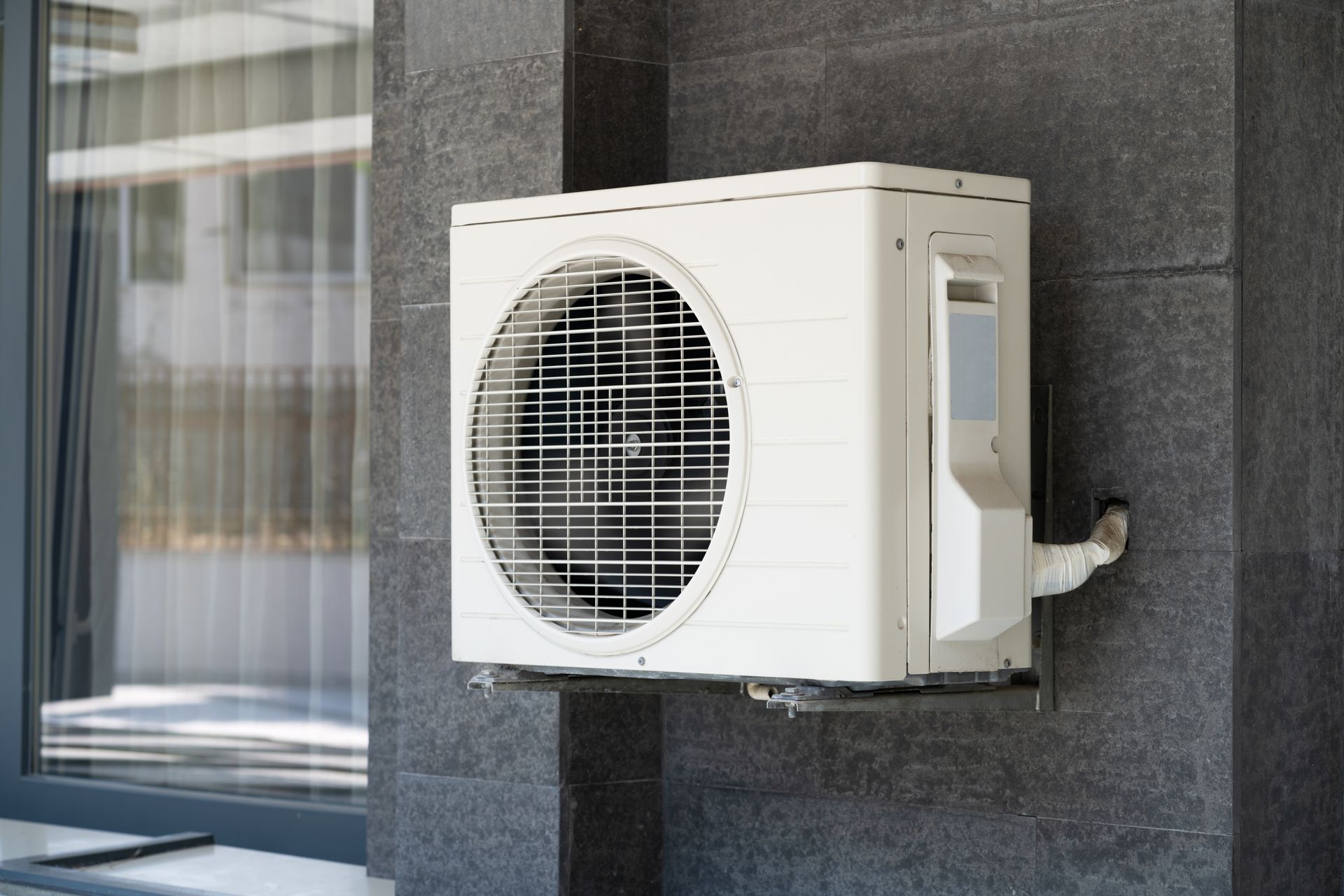
White outdoor air-conditioning unit mounted on a dark wall beside a window
September 2, 2026
If your home has rooms that never seem to get comfortable — too hot in summer, too cold in winter, or stuck fighting an old system that can't keep up — a ductless mini split heat pump is one of the most effective upgrades available to Hudson Valley homeowners. Below is a straightforward breakdown of what these systems are, how they work, and how they lower monthly energy costs.

Show More


